Product overview & technical information
A different prebiotic
Problems caused following the use of antibiotics have raised a great deal of effort to identify and introduce other alternatives. In this regard, prebiotics is a novel substitute. Prebiotics is defined as non-digestible ingredients that by selectively stimulating the growth of bacteria or limiting their functions in intestine affects positively on the host.
Mannan oligosaccharide-based (MOS) normally exist in the cellular walls of the yeast known as Saccharomyces cerevisiae derived following cultivation and centrifugation. Mannan oligosaccharide normally exist in the cellular walls of the yeast known as Saccharomyces cerevisiae derived following cultivation and centrifugation.
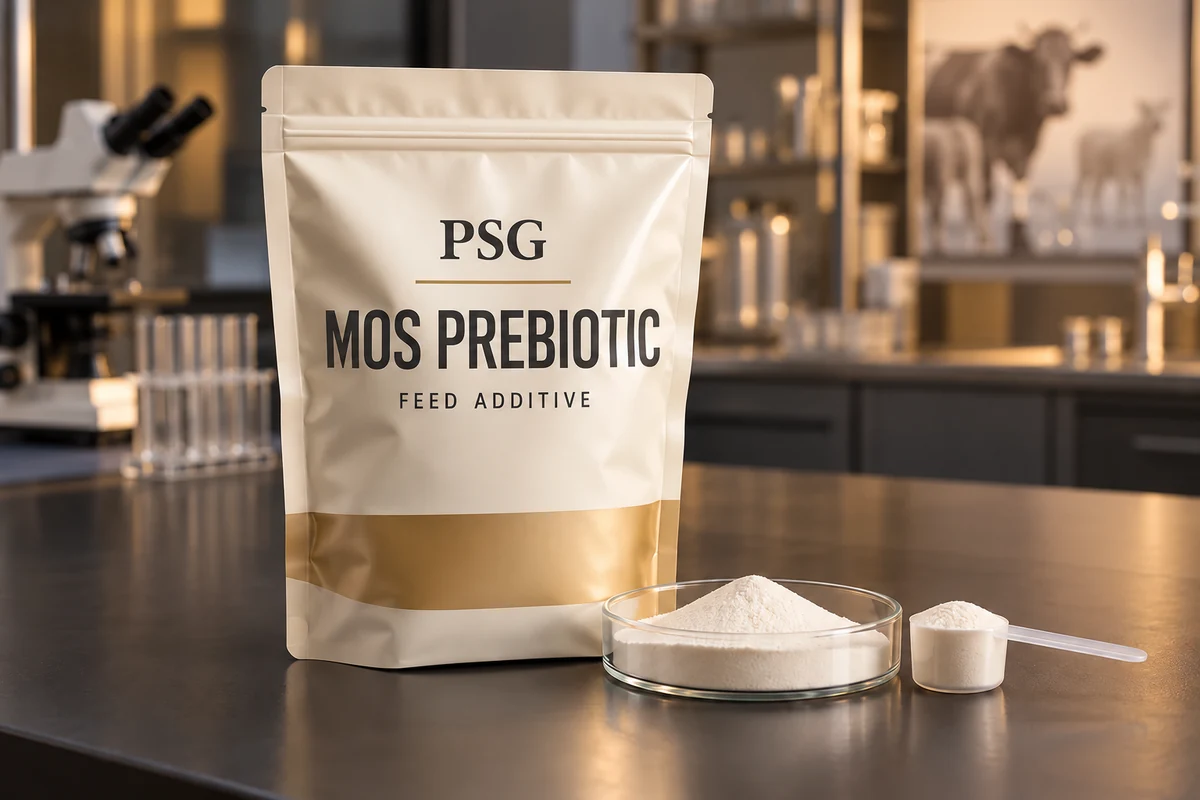
ActiveMOS is a prebiotic which is enriched with MOS derived from the cell wall of certain species of Saccharomyces cerevisiae. In addition apart from the active components of MOS, the ActiveMOS product contains other carbohydrates derived from the cell wall of a specially selected strain of the yeast Saccharomyces cerevisiae.
ActiveMOS product focuses on two essential points:
- Purification, namely the increase in the quantity of total carbohydrates and optimization of MOS content;
- Exposure, namely the maximization of contact surface area of MOS
Mode of action
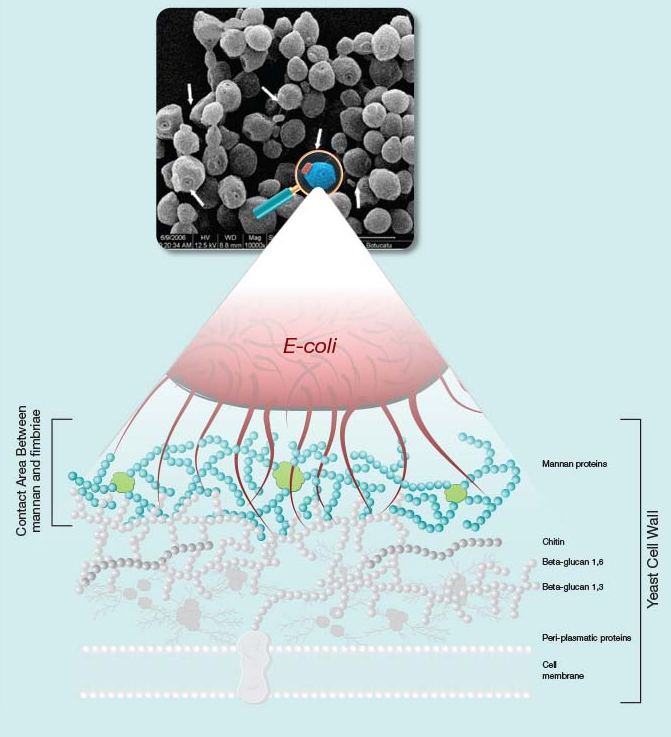
Mannan oligosaccharide in the ActiveMOS are bound with fimbria (a bacterial movement means) of pathogenic bacteria to inhibit their local colonization in the gastrointestinal tract stimulating normal intestinal flora, agglutinating pathogens, maintaining healthy intestinal mucosa, and higher production and performance are among main functions of ActiveMOS.
In livestock, Salmonella and E. coli are the most dangerous causes of diarrhea. In recent years, antibiotics were used to control diarrhea. However, due to high costs and antibiotics resistance, the MOS replaced them. Therefore, MOS can be an effective way to reduce diarrhea and increase the immune system for newborn calves in critical conditions. Besides, reduction of weaning age and improvement of faecal scores are achieved in this regard.
In addition, MOS are used as substrates by beneficial bacteria that ferment these compounds, and produce short-chained fatty acids. These fatty acids account for the nutrition and maintenance of the healthy intestinal mucosa. Also, because they reduce the pH in the intestinal content, they create an environment hostile for pathogenic bacteria. Important pathogenic bacteria have affinity for specific carbohydrates, particularly MOS. Therefore, MOS added to the diet promotes the agglutination and elimination of these pathogens so that it prevents them to bind with the intestinal mucosa; proliferating and causing possible damage to the intestine and animal’s health.
Recommended dose of ActiveMOS:
For poultry
Starter: 1.5 kg/ton of feed; grower: 1 kg/ton of feed; and finisher 0.5 kg/ton feed
For livestock
1 to 2 kg/ton of feed in starter; or 5 to 6 g/d/ per calf mixed with milk or milk replacement (it is suggested to be taken twice a day)
Packing:
In 25 kg polyethylene paper bags.
Packaging & storage
25 kg polyethylene paper bags
 آریا دماوندی19 Oct 2026