Consider the whole feed chain
Contamination can arise during crop production, handling, processing or storage. Moisture, temperature and damaged grain deserve attention. Feed appearance alone is not an adequate way to identify the toxin or quantify exposure; an appropriate sampling and testing plan is important.
Match the response to the risk
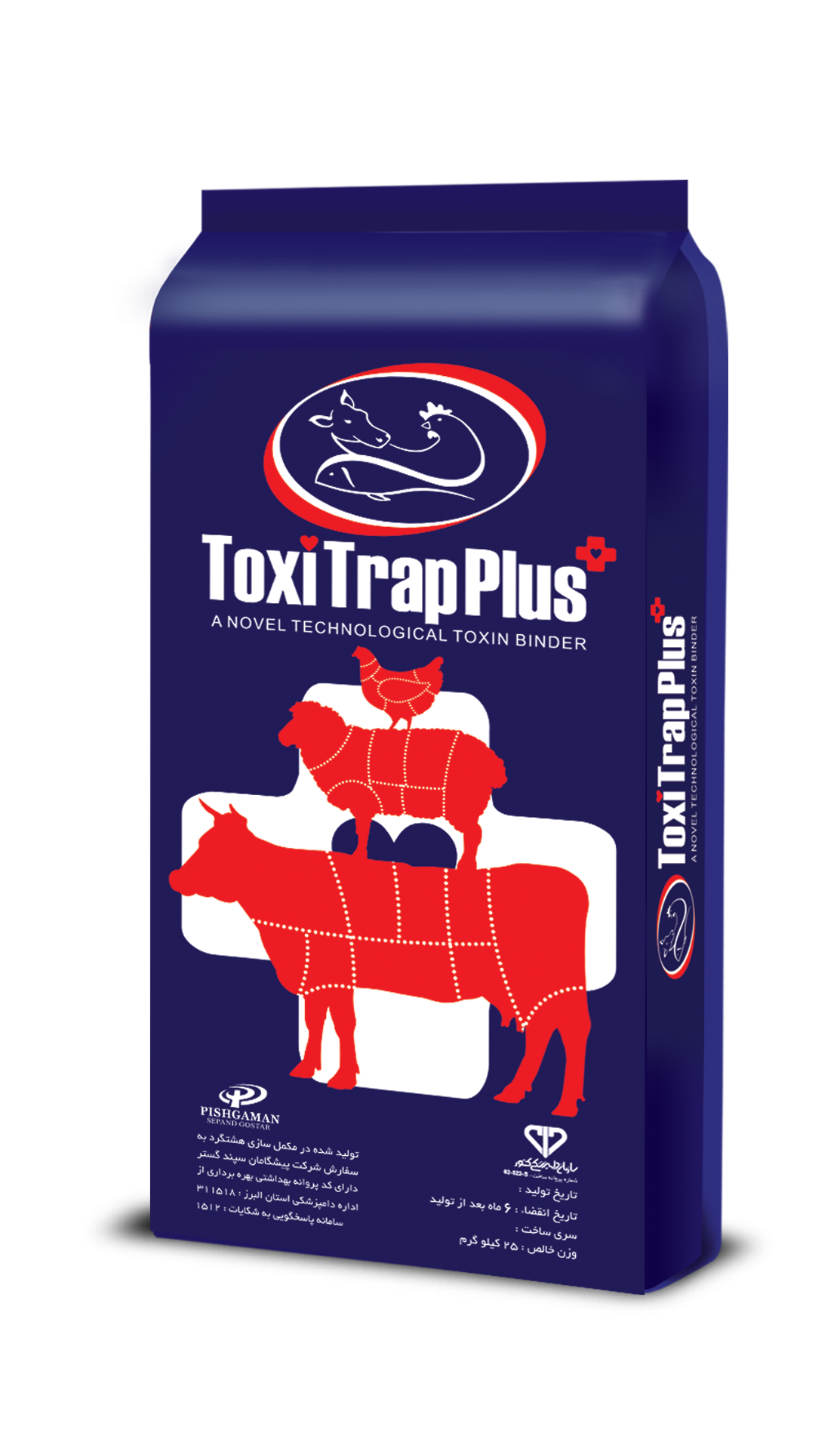
The company describes ToxiTrap Plus as a multi-component binder designed to capture polar and nonpolar mycotoxins. Its product description explains the proposed components and mechanisms. That description should not be read as a guarantee that every toxin is completely removed in every situation. Species, production stage, feed assessment and formulation-specific evidence matter. Adding a binder does not automatically make feed above applicable contamination limits acceptable.
Practical storage checks
- Inspect incoming consignments and document supplier and batch details.
- Monitor moisture, water ingress and storage ventilation.
- Keep bagged feed appropriately separated from damp floors.
- Retain relevant testing and corrective-action records.
Use an integrated approach
Combine sourcing controls, storage management, testing and informed additive selection. A documented corrective action addresses the source of risk as well as the ration; adding a product alone is not a complete feed-safety programme.
Sources and scope
- FAO / WHO Codex — Prevention and reduction of mycotoxin contamination in cereals
- FAO — Control of feedborne hazards
Product context follows the information supplied by the company. The sources explain the scientific and management background; they do not imply endorsement of this particular brand. This educational guide does not replace the official product label, equipment manual or advice from the professional responsible for the farm.